

I have always been someone who makes my own mind up about movies, and never listen to the critics or anyone else, as while I respect everyones opinion, I don’t let any single opinion override my own experience of a film, as while I’ll read reviews, I always decide for myself, as it should be.
But for the people whose job is literally to judge movies, they do sometimes get it spectacularly wrong - the kind of wrong where, years later, everyone just quietly pretends it didn’t happen.
What’s even better is that some of the films they dismissed didn’t just age well, they became some of the most respected, talked-about, and influential movies ever made, which makes me feel a bit better about my own bad takes.
Here are five films critics really didn’t get right the first time, and why that happened.
Blade Runner (1982)
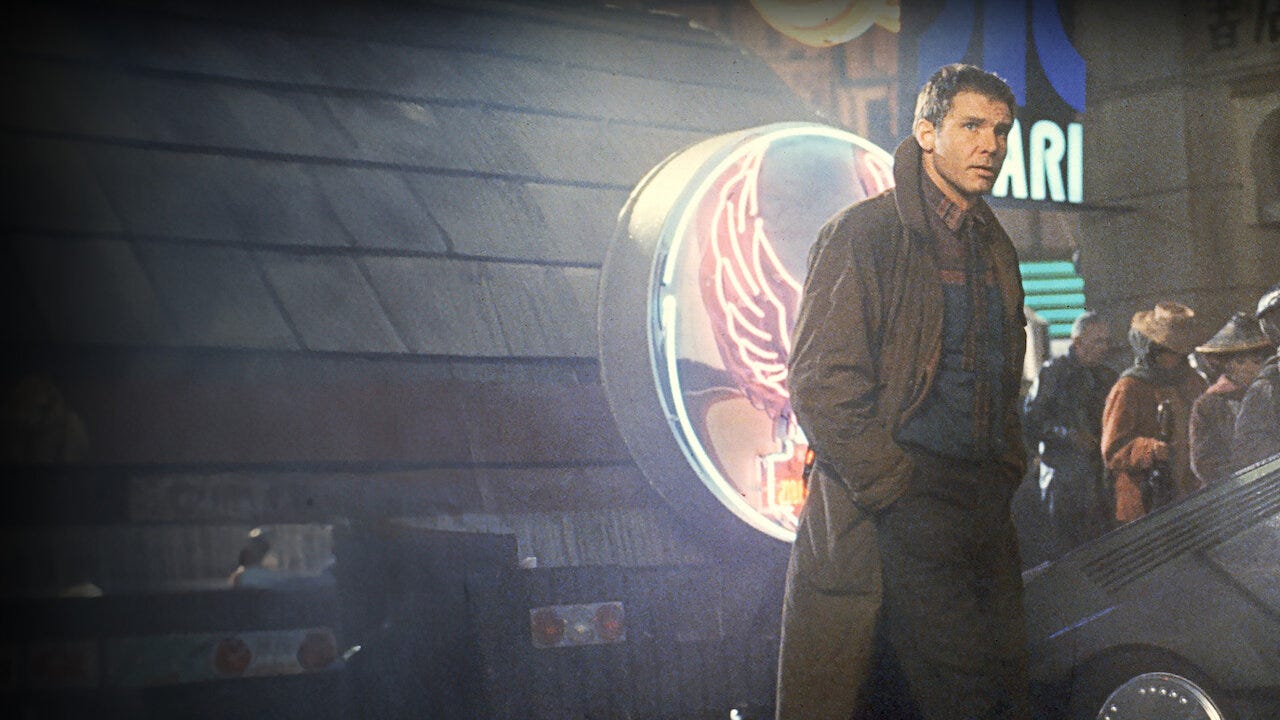
Critics in 1982 called Blade Runner boring - “Oh, this is one of those movies.” Slow, quiet, a bit moody, and more interested in atmosphere than action - basically the exact opposite of what people expected in 1982, and ended up a commercial failure, which is kind of wild now, considering it basically defined the look and feel of cyberpunk for decades.
The problem wasn’t the movie though, it was the expectation, because people wanted another fast-paced sci-fi adventure, and what they got instead was a thoughtful, almost meditative story about identity, memory, and what it means to be human.
It’s one of those films where the pacing is the point - you’re supposed to sit in it, not rush through it - and once audiences caught up to that, everything clicked, and soon lost its title of Blade Crawler that some had nicknamed it.
The Thing (1982)
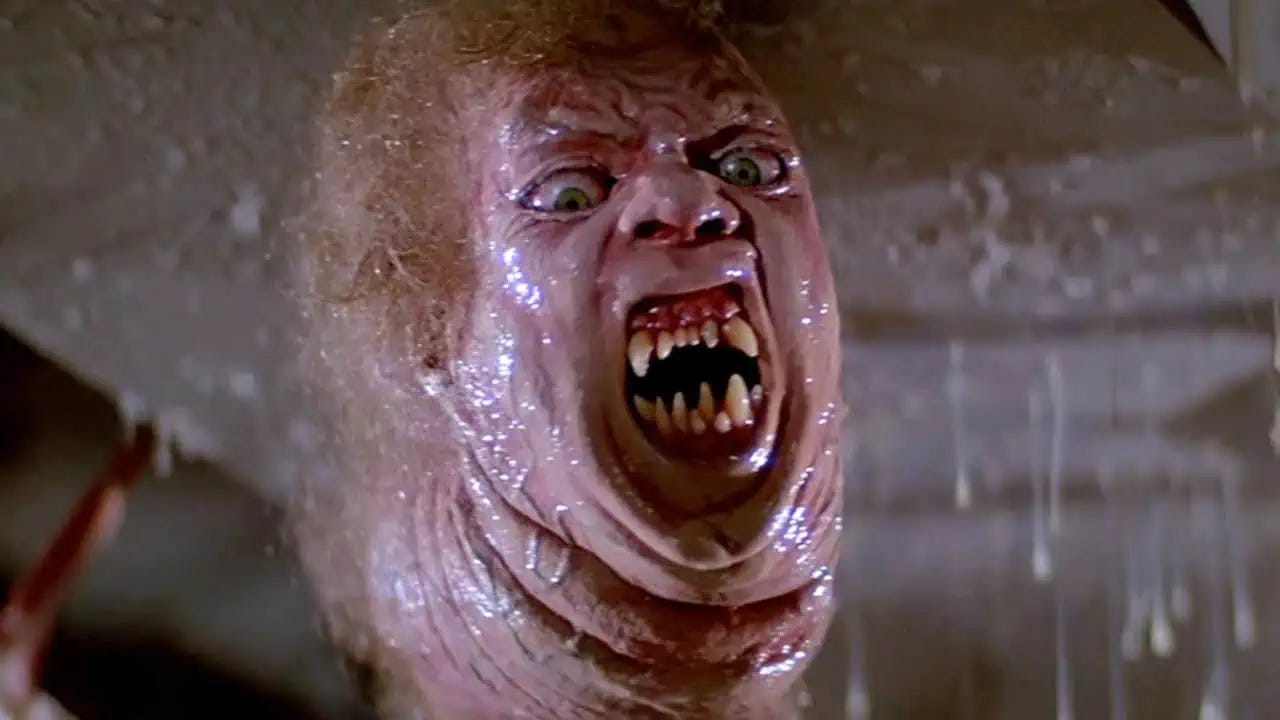
The Thing had the worst possible timing, as it came out the same year as E.T., which is basically the warmest, friendliest alien movie ever made, and then here comes The Thing, and critics were not in the mood, as they called it disgusting, too gory, and too bleak, with Roger Ebert giving it a fairly negative review, saying:
But it seems clear that Carpenter made his choice early on to concentrate on the special effects and the technology and to allow the story and people to become secondary. Because this material has been done before, and better, especially in the original “The Thing” and in “Alien,” there’s no need to see this version unless you are interested in what the Thing might look like while starting from anonymous greasy organs extruding giant crab legs and transmuting itself into a dog.
Watching it now, it’s hard to imagine anyone thinking this wasn’t great.
Vertigo (1958)
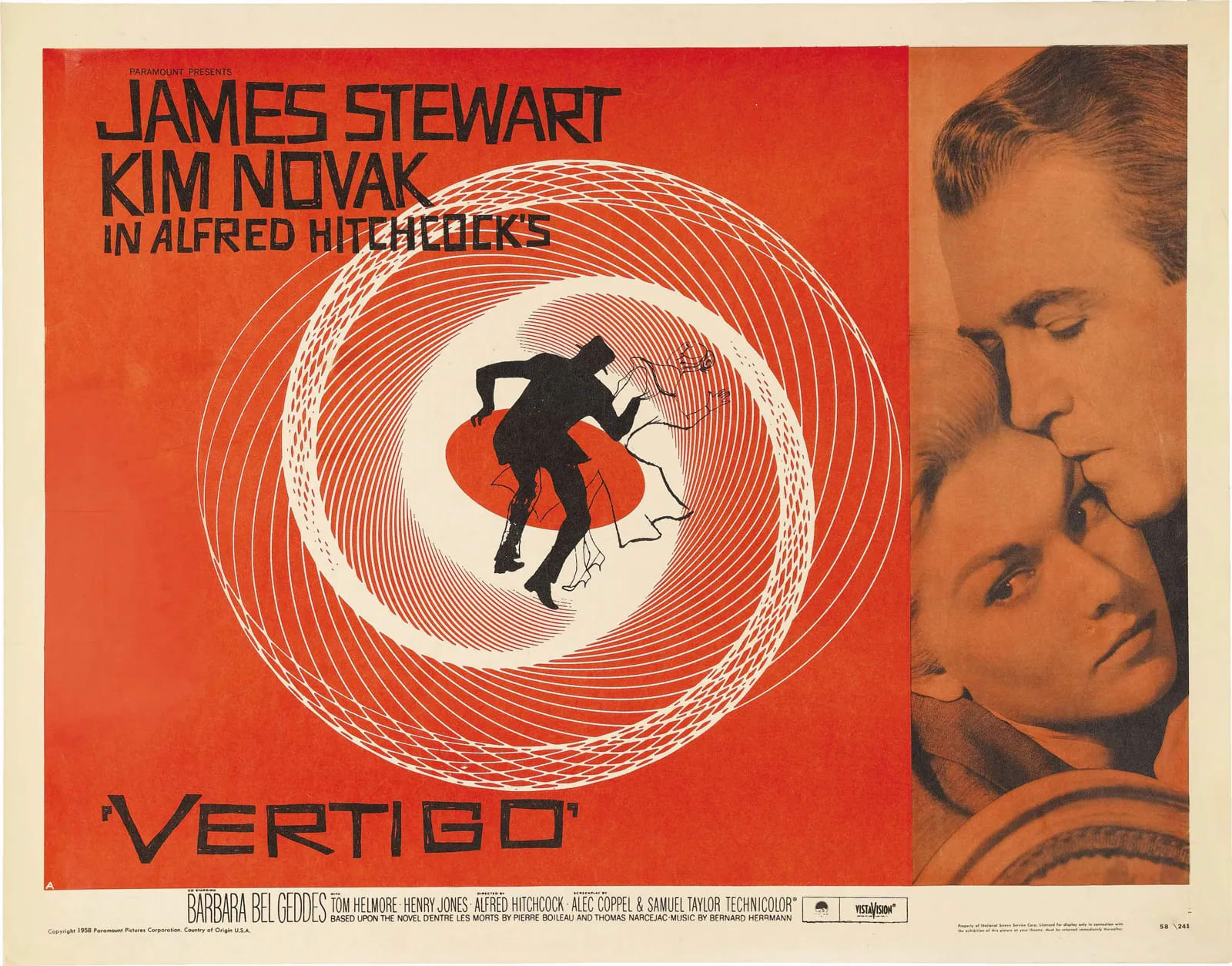
Vertigo is now regularly listed as one of the greatest films ever made - not “pretty good,” not “underrated,” but near the top of the lists.
Back in 1958? Critics were kind of lukewarm, as they thought it was too long, too slow, a bit confusing, and also had an issue with James Stewart’s casting, and even Hitchock blamed him in part for the films failure, saying he looked too old to be convinving in his role.
The real issue though is that Vertigo isn’t about the mystery, it’s about obsession - it’s uncomfortable, it’s strange, and it doesn’t give you the kind of clean resolution people expect - and basically, critics went in expecting one type of movie and got something much darker and more psychological, and it just took a few decades for everyone to catch up.
Its reputation began to change though after it was re-released in the 1980s, following a period where it was largely removed from circulation.
Fight Club (1999)
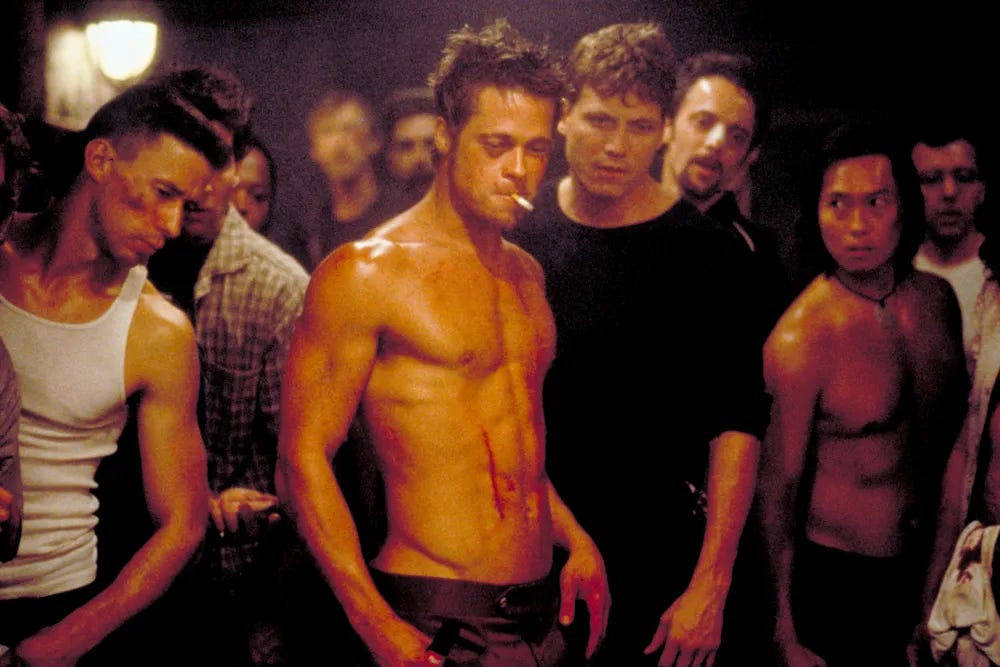
This one is still misunderstood a bit by many, I think, but when it came out, a lot of critics reacted like the movie was endorsing the chaos it was showing, where they called it irresponsible, aggressive, even dangerous - which is kind of missing the point entirely.
The film is clearly satirical, and it’s making fun of the exact mindset it’s portraying, but because it presents that mindset in such a raw way, people got stuck on the surface level, even if it is a movie thats easy to misread - Tyler Durden is charismatic, the energy is addictive, and if you’re not paying attention, you can walk away thinking the movie agrees with him.
Entertainment Weekly gave it a D- as one example of the negative reaction from critics, and the movie also got booed at the Venice Film Festival, and ended up grossing only $11 million in its original run.
Over time, though, its became a cult classic - it didn’t change, we just got better at reading it.
The Shining (1980)
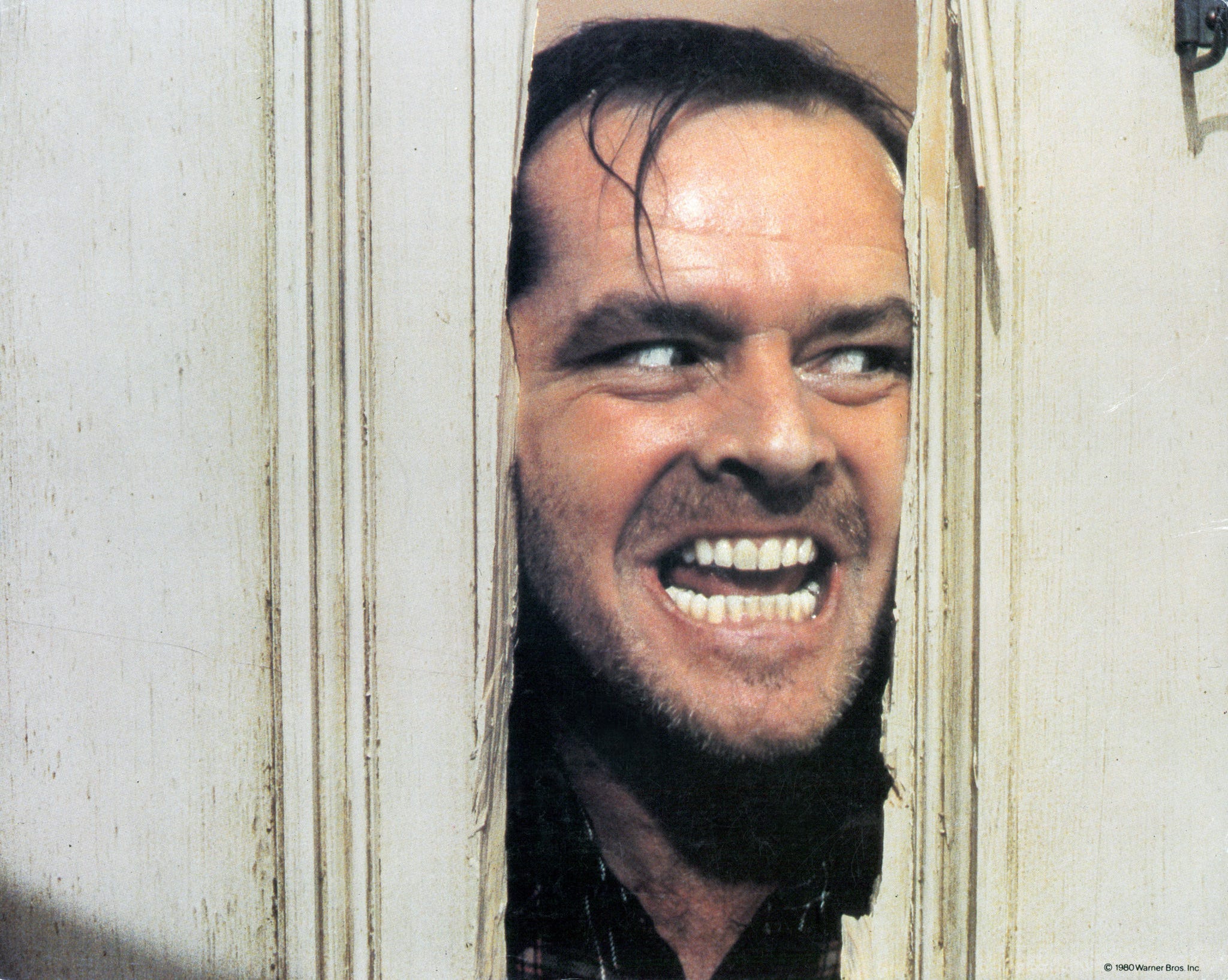
The Shining is now considered one of the greatest horror films ever made - it’s referenced constantly, studied endlessly, and generally treated like a masterpiece - when it first came out though, critics were not impressed.
Some thought it was cold, others didn’t like how much it changed from Stephen King’s book, and it even got Razzie nominations, which feels almost surreal now.
But that “coldness” people complained about is exactly what makes the movie so unsettling - it’s not warm or emotional in a traditional sense - it’s distant, controlled, and slowly suffocating.
Shelley Duvall was also critisized for her performance, even bny Stephen King himself, and a lot of people did not like how overly hysterical the character was at times.
Over time, people stopped expecting a faithful book adaptation and started appreciating the film on its own terms, and once that shift happened, its reputation completely flipped.
Looking at all five of these, there’s a pattern.
I think we have a pattern when looking at these five movies though, as it seems they were all ‘rejected’ simply because they didn’t fit expectations - too slow, too dark, too weird, too different from what people thought they were getting - and critics, like everyone else, watch movies through a lens of what they expect to see, so when a film breaks that expectation, especially in a big way, the first reaction is often resistance.
But time changes that.
Audiences revisit films without the same pressure, without the same comparisons, and suddenly the things that felt “wrong” start to feel intentional, even brilliant.
And that is one of my favorite things about movies - a film doesn’t live or die on its opening reviews, as sometimes it just waits, and then, years later, it gets the recognition it deserved all along.
More Movie Posts



Really great article. I agree with you. There is a pattern. Critics don't judge movies by what's on screen they judge movies by what they expect. I hate the line "I watch 100 movies a week." Just because you drive door dash all day does not make you a race car driver. Critics need to study and do critical analysis and use criteria. They are killing movies. And it's getting worse, the movie Mercy was dead on arrival with 25% RT critics score and an 82% audience score. I heard critics say it was going to suck before they even saw the movie.
Great list...particularly "The Thing" which is truly impossible to see as anything but exceptional today.
I would add "Apocalypse Now".
Universally considered a masterpiece today, such was not the case in 1979. Having seen it in the theater and been stunned by its excellence, I remember the decidedly mixed reviews at the time as well. Critics felt the film was too long, too weird, incoherent and plodding with a deflating ending.
Time and reflection have corrected these misperceptions.