

If you’re looking for a lot of traditional horror elements with Leviticus, you might be disappointed, but if you like films that lean heavily on mood and tension, it’s worth watching.
Plot
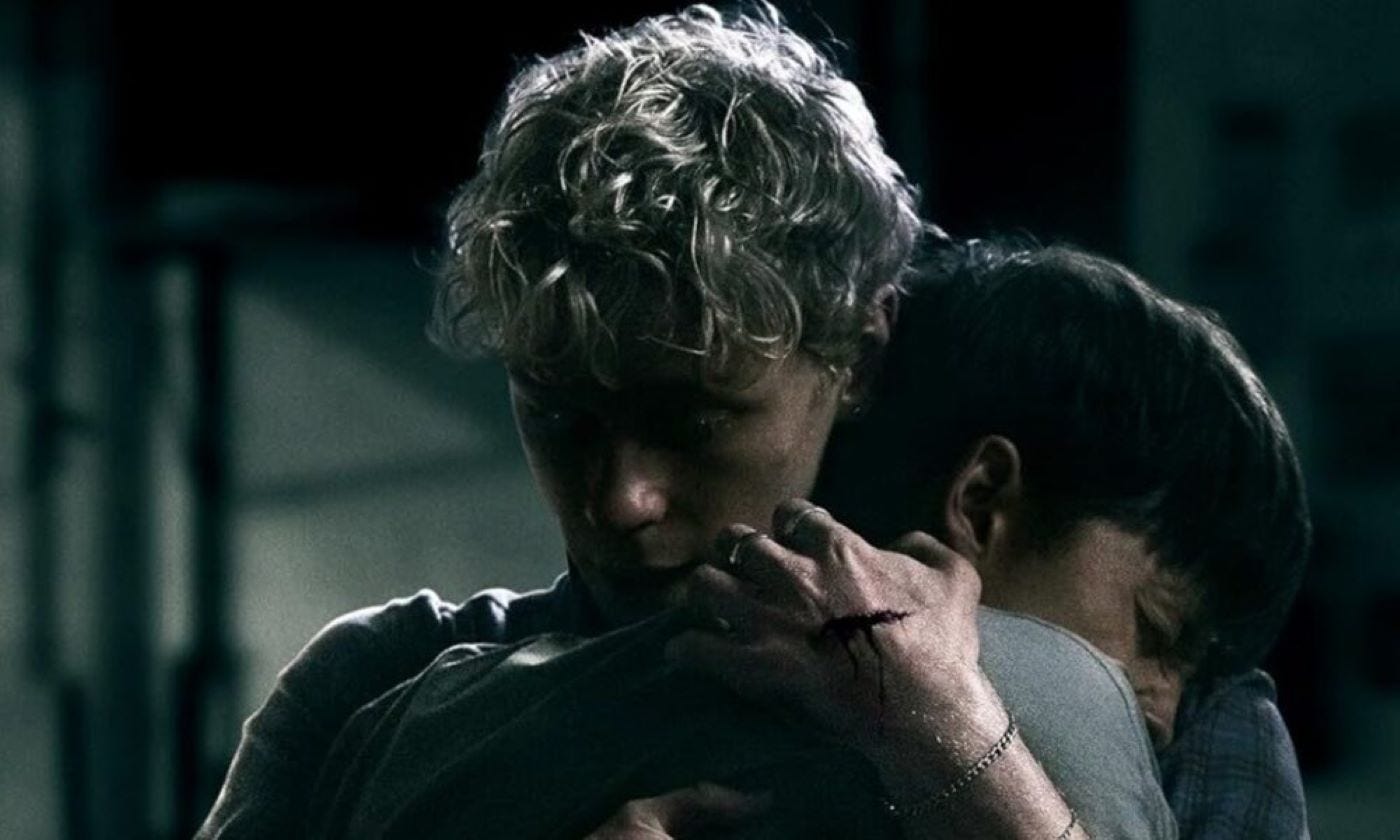
Following his father’s death, Naim and his mother Arlene relocate to an isolated town in regional Victoria, Australia, and while she finds comfort in the town’s deeply religious community, Naim struggles to accept its extreme beliefs and practices, with his only refuge being Ryan, a local teenager with whom he begins a secret romance in an abandoned warehouse.
Good Points
The atmosphere is strong
The way the film shows social pressure is effective
Performances are good with no-one overplaying anything.
It works best when it focuses on behaviour
The films strengths are all in the quieter scenes
Bad points
A bit of repetition in places
The more traditional horror scenes are a bit meh
At times it slows down a bit too much, and the balance between slow tension and actual payoff isn’t always consistent enough
My Thoughts on Leviticus
All about the control and conversations
Leviticus’s tension and atmosphere is where this film shines and excels, and it all comes from people simply existing around each other under unspoken rules, where everyone already knows what’s acceptable and what isn’t.
It has that kind of shared understanding which ends up feeling more restrictive than anything physical happening on screen, where the film is giving you this constant sense that behaviour is being monitored, even when you might think not much is going on, but there’s always something that seems to feel off.
And it’s not about any cryptic dialogue either, as it’s a fairly simple film, but it’s all about people who stop just short of honesty, and that stopping point is what becomes its own kind of pressure, and nothing has to escalate for it to feel tense, it all just sits there, unresolved.
That is the tension.
The relationships
The interactions between the main characters, Naim and Ryan, don’t really follow clean emotional patterns, and that’s also probably why it comes across so well, with moments of closeness between them that don’t last, moments of confusion that aren’t explained, and stretches where people just don’t know how to respond to each other at all.
It avoids the usual film habit of smoothing everything into clear emotional steps, and if the filn had done that, I am not so sure it would have worked half as well, if at all, as the awkwardness here exists without the need to try and fix it or frame it as something meaningful.
There’s also no real effort to over-explain the motivations, so you just end up picking things up from how people behave around each other, which keeps it from feeling overly written or controlled.
The horror works better when it stays implied
The horror here works so much better when it doesn’t lean into traditional horror structure, because the idea that personal thoughts or private reactions aren’t fully contained has more impact than anything physical happening on the screen, because it turns everyday situations into something slightly off without needing to change the surface too much.
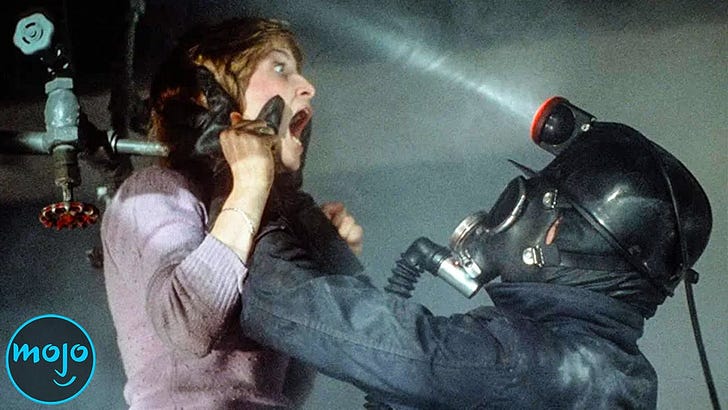
Once it shifts into the more familiar horror scenes, it loses a bit of that edge, and while the scares themselves are OK, but they don’t really carry the same weight as the quieter material, where it’s the difference between tension that builds naturally and moments that are inserted, simply because the genre expects them.
It repeats itself a bit, but the mood holds it together
It does also have moments where it circles the same emotional ground more than once, especially around the pressure people feel and how they respond to it, but it doesn’t always push those ideas forward in a new direction, so a few sections do feel like they’re revisiting familiar territory.
But the overall tone still keeps it steady enough overall, as the atmosphere doesn’t really drop thankfully, and the way people interact continues to carry most of the baggage even when the story slows down, so by the time it all winds down, it’s that consistency which is what you will remember, about how long it can keep you in that uneasy headspace without breaking it.
Final Verdict
I liked it, and felt the less is more focus worked well here, especially with the atmosphere and tension, although more traditional horror fans might not think so.
Trailer
Film Credits
Directed and written by Adrian Chiarella
Cast includes - Joe Bird, Stacy Clausen, Jeremy Blewitt and Mia Wasikowska
Cinematography by - Tyson Perkins
Edited by Nick Fenton
Music by Jed Kurzel
Running time - 88 minutes
More Film Posts
Horror for the Hesistant

For anyone who wants to watch a horror film that isn’t a traditional jump scare horror, here are a few recommendations from me to you.
Marty Supreme Is a Wild Ride That Never Slows Down

You might need a lie down and a cup of coffee after watching Marty Supreme.
7 Movies I Watch When I Need a Mood Boost
Because sometimes all we relly need is to put on something funny, familiar, and guaranteed to leave us in a better mood.
Carolina Caroline Is a Watchable Film Held Together by Its Two Leads

If Samara Weaving is in a film, chances are I will watch it.
The Life of Chuck (2025) Review: The Strangeness of Being Human Told in Reverse

The Life of Chuck is really not an easy film to pin down, but it is a film I really appreciated on a reflective level more than anything else.