

Park Chan-wook’s masterpiece lodges itself in your head and never leaves.
Good Points
Park Chan-wook’s precise, controlled direction
Oh Dae-su’s descent and transformation
The hallway fight
The twist
Cinematography that makes you feel trapped
Bad Points
Spoilers are unavoidable if you want to discuss the film’s brilliance
Oldboy doesn’t waste time easing you in.
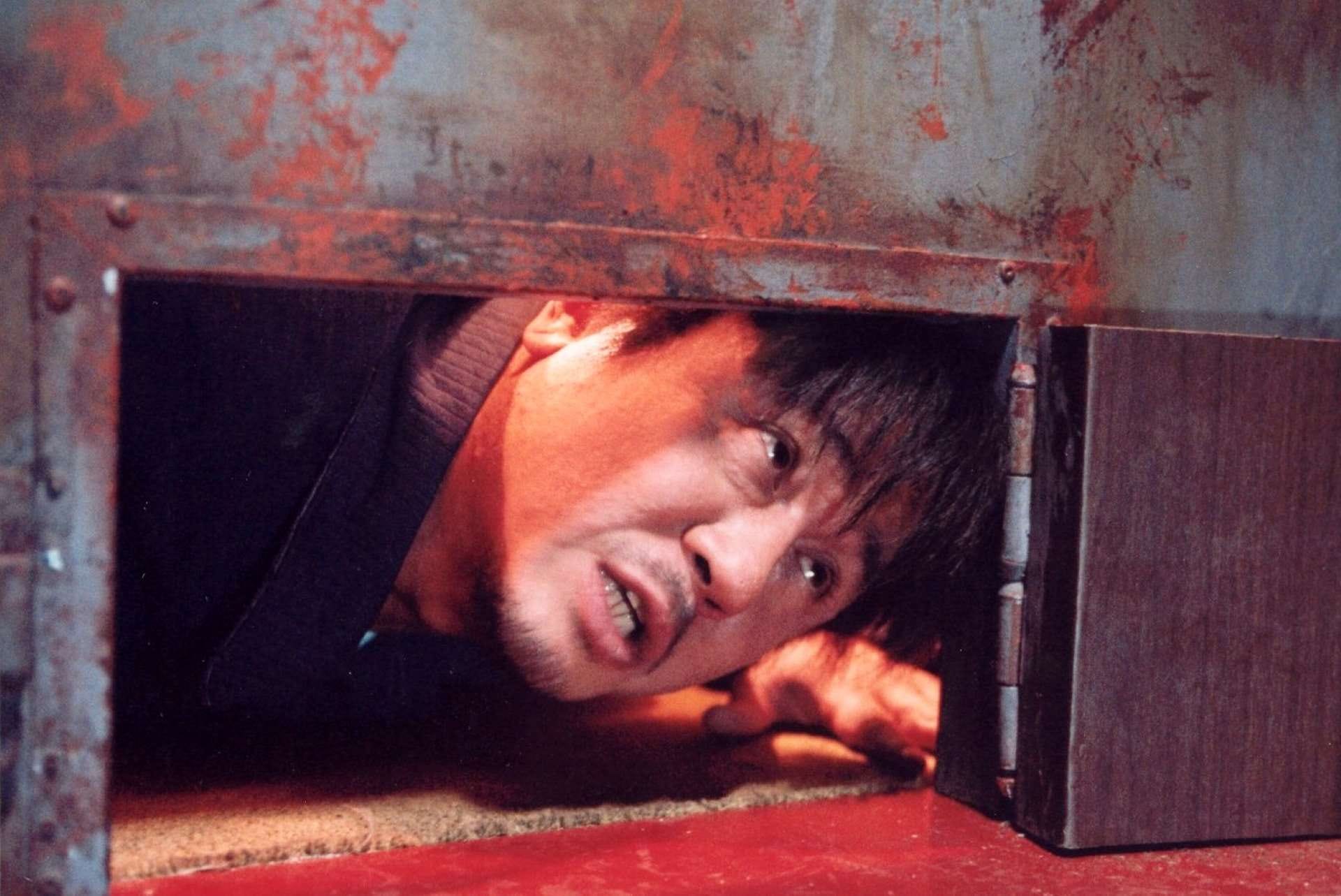
Oldboy is where we meet Oh Dae-su a drunk, loud, and completely undisciplined man - and then, without warning, he’s locked in a room for fifteen years, where he eats the same food, talks to himself, punches walls, and loses his mind.
It’s a claustrophobic, relentless stretch that Park Chan-wook makes you feel.
When he’s finally released, the story seems like a straightforward revenge plot at first, but Oldboy isn’t interested in predictability.
Violence here isn’t spectacle - it’s an extension of broken humans acting on fractured emotions, and the infamous hallway fight scene isn’t just a stunt - it’s a long, exhausting take that mirrors Dae-su’s trapped psyche.
Dae-su meets Mi-do, a young sushi chef, and their relationship is basically trauma meets innocence, and obsession meets affection - strange, uncomfortable, and sincere.
Rooting for them feels right
When Dae-su confronts Lee Woo-jin, the revelation lands like a punch to your throat - years ago, Dae-su inadvertently destroyed Lee’s sister’s life, and Mi-do?
She’s Dae-su’s daughter.
The romance, the care, the investment - it was all manipulated over years to serve Lee’s revenge, where the horror isn’t just what Lee does, it’s that you, as an audience, were manipulated too.
Cinematography and tone are masterclasses in control.
The camera stays calm even when everything else does not - framing, long takes, and tight spaces make you feel trapped with Dae-su - bright colors in moments that should feel wrong, silence that forces reflection, and music that is ironic or unsettling rather than comforting - all these choices quietly mess with your emotional responses.
The camera doesn’t panic. We do.
It’s not a movie about clean morality, as Lee’s revenge is monstrous but rooted in real pain, and Dae-su’s choices are wrong but human.
The film forces you to confront guilt, manipulation, and moral ambiguity - and it refuses to hand you comfort, as every option is wrong, every outcome is uneasy, and that’s exactly why it works.
Final Verdict
Oldboy is exhausting, disturbing, and relentless, but it’s also precise and so clever.
It will ask you questions you don’t want to answer, and challenge the way you think about justice, revenge, and love, and it’s one of the most effective films I’ve ever seen at doing exactly what art should - mess with you in ways you don’t expect and don’t fully understand.
More Reviews


Maybe not the best pick for family movie night though.
The ending of this film has always stayed with me, beyond dark but also hopeful at the same time. I also like the Josh brolin version but he’s no Oh-Dae-Su.