

Silence is heavier than sound in Sound of Falling.
A house in Altmark, Germany, four women across decades, and trauma that never asks for permission, and sometimes, it’s almost unbearable.
Good Points
Obsessive attention to visual detail
The house itself
The silence
Nonlinear structure that reflects memory and trauma
Subtle use of light, composition, and framing
Bad Points
Extremely slow pacing
Some abrupt transitions
Emotional distance is alienating at times
Some narrative connections
The house itself is the real protagonist.
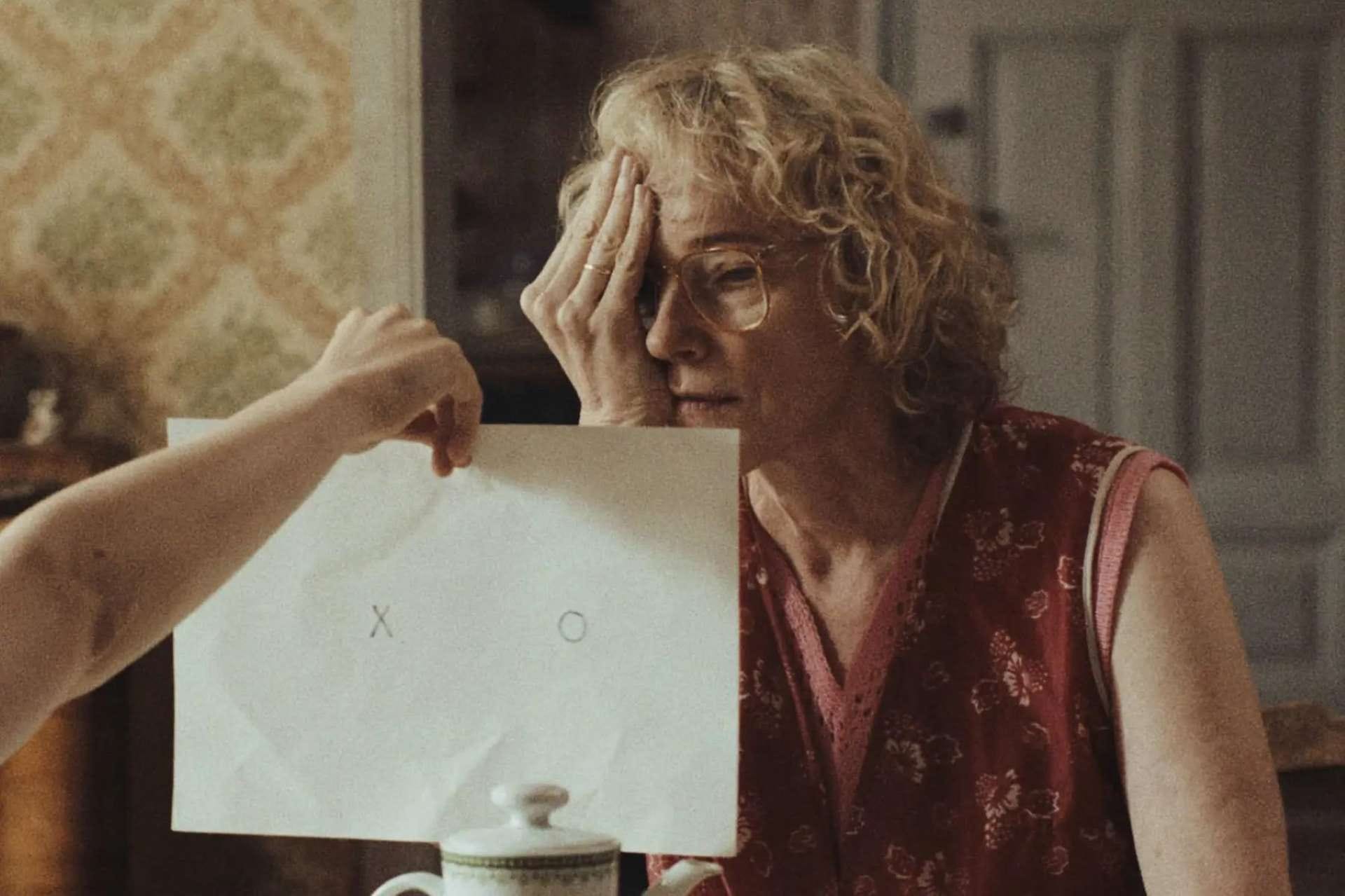
Four women inhabit the same house, each carrying the weight of her era - Alma, Erika, Angelika, and Lenka.
The chronology is loose, as sometimes scenes from one life bleed into another, reflecting the way memory and trauma actually does function, and where silence dominates.
You will notice the camera lingers on a lot on different things, which feels sometimes intrusive, and sometimes patient.
The small objects hold more narrative weight than dialogue.
Trudi never speaks. Yet you feel her screaming.
Alma’s story at the turn of the 20th century is quietly horrifying - maids are sterilized, family members are physically maimed to avoid conscription - it’s matter-of-fact violence.
Trudi, the silent maid, communicates everything with her presence alone, and Erika, post–World War II, moves on crutches, with her drowning feeling almost bureaucratic in its inevitability.
Then we have Angelika in the 1980s, who navigates abuse and surveillance with grim awareness, and Lenka, modern but no less vulnerable, is still watched - technology changes, trauma doesn’t.
Death is part of the walls
The transitions are sometimes abrupt, but the film really trusts you to assemble connections across generations - Alma’s brother Fritz, maimed in her timeline, echoes into Angelika’s story decades later.
The house holds the memory, the women carry it, and the silence is heavier than explanation.
The pacing is punishing too, which you would of course expect for this kind of movie, where scenes stretch, often without payoff, and emotional distance can frustrate.
Some narrative threads demand active attention, and not all will connect, which can frustrate, but that’s also kind of the point as the film refuses comfort or tidy resolution, but it rewards are found in patience, observation, and noticing how trauma reverberates through generations.
Final Verdict
Sound of Falling isn’t a gentle film - it’s slow, demanding, and occasionally alienating, but it’s also very interesting.
Observing it is a quiet endurance test, and it doesn’t entertain, but it does make you notice.
More Reviews


