

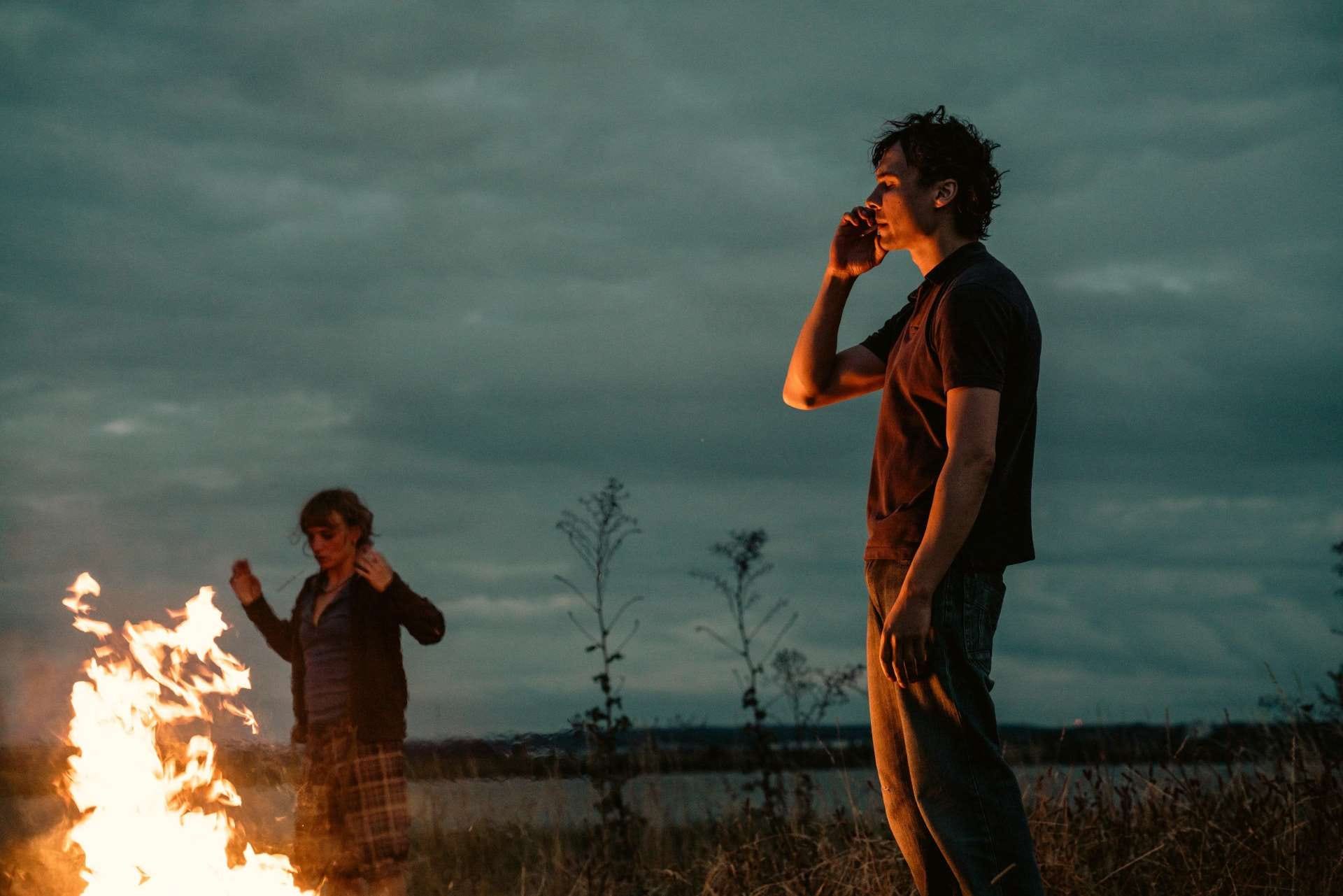
Urchin is a film that will leave you tired and a little angry at yourself for feeling sympathy toward someone making such consistently terrible choices.
Synopsis
Sleeping rough on the streets of London, Mike seems unable to escape the chaos of his impulsivity and substance abuse. He's intelligent and charismatic, but when his addiction results in an act of unprovoked violence, he's quickly arrested.
Good Points
Frank Dillane
Harris Dickinson shows confidence
Honest portrayal of addiction
Sharp commentary
You will get the feels
Bad Points
Dream sequences clash slightly with the realism
Stylistic experimentation doesn’t always fully land
Frank Dillane carries this film on his shoulders.
We all know Dillane can act, but watching him carry almost the entire film here is something else, because as Mike, he pulls us through every low, reckless, and borderline infuriating decision with a incredibly authentic performance.
But Mike isn’t someone you’re actually meant to admire - he lies, he self-sabotages, he hurts people - and yet, Dillane makes also makes him feel so human - frail, vulnerable, and at times heartbreakingly understandable.
And that’s the film’s strength, as when Mike does awful things, the story never excuses him, but it also refuses to flatten him into a cautionary tale, as there’s a rawness in Dillane’s performance that keeps you invested even when you want to shake the character and tell him to stop.
And trust me, you will want to do that.
Harris Dickinson keeps you at arm’s length.
Yes, the same Harris Dickinson known for acting, but here he’s behind the camera as well, and he does a lot right., where we get a voyeuristic type tension to the way Urchin is shot, as if we’re observing Mike from just far enough away to feel uncomfortable, but close enough to feel trapped inside his world.
There are moments where Dickinson experiments stylistically too, particularly with some brief dream sequences involving a violin-playing woman and a cave symbolizing Mike’s inner turmoil.
While I understand the intention with that, I felt it did slightly clash with the otherwise realistic feel of the film, but they’re short and infrequent, so no biggie.
Dickinson also appears on screen as Nathan, Mike’s friend and fellow addic, but this isn’t friendship as loyalty or redemption - it’s survival, co-dependency, and shared poor decisions.
Addiction isn’t glamorous, and neither is survival.
Urchin doesn’t just focus on the personal struggle however, because it also examines the systems surrounding Mike - government officials, parole officers, employers, family members - where none are portrayed as outright villains, but the red tape, performative support, and hollow reassurances are painfully evident.
Mike’s uphill battle isn’t only against himself, it’s against a system that seems designed to exhaust rather than rehabilitate.
But every small victory or setback carries weight here - watching Mike attempt to find work, reconnect with people, or simply survive day to day - there are no big cinematic payoffs, as life just grinds forward, sometimes loud, sometimes heartbreakingly still.
Watching Urchin I felt frustration, anger, pity, and sadness, as there’s a constant push and pull between empathy and irritation, but the film never feels manipulative, and it doesn’t underline its message or force a moral.
It simply presents Mike’s life as it is.
Final Verdict
Frank Dillane delivers an excellent, emotionally draining performance, while Harris Dickinson’s directorial debut is bold, confident, and unafraid to experiment - it’s not an easy watch, and it doesn’t offer comfort or neat resolution, but it will make you reflect.
More Reviews


