

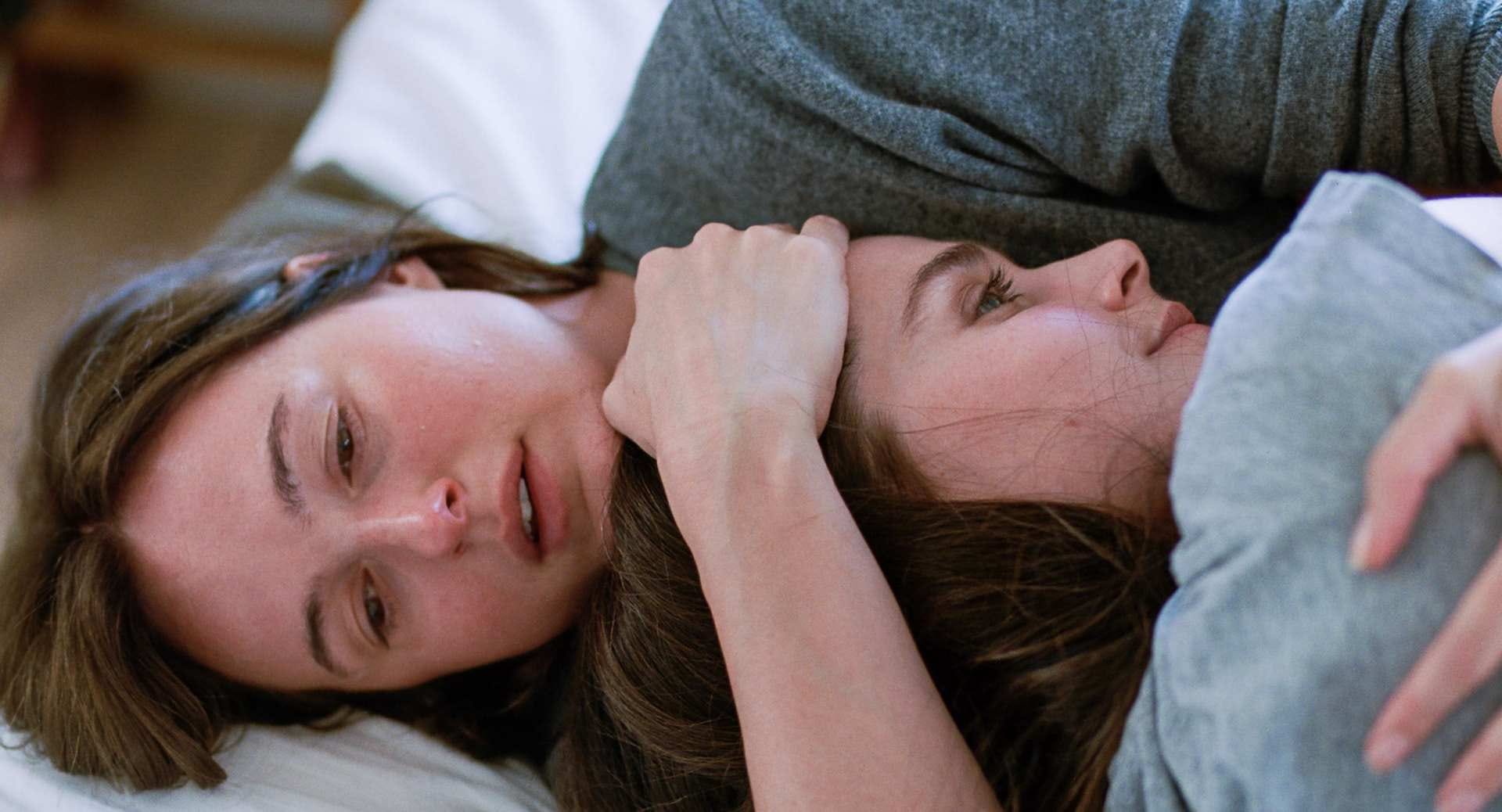
So I have finally got around to watching Sentimental Value.
A film that moves very slowly, and deliberately…
Good Points
Joachim Trier’s framing
Stellan Skarsgård as Gustav
Renate Reinsve and Inga Ibsdotter Lilleaas provide some contrasting, hypnotic energy
The moments of restraint and pause
The humor
Bad Points
Elle Fanning’s character feels slightly dissonant in tone
Some emotional beats rely on suggestion more than explicit storytelling
I spent a lot of watching Sentimental Value thinking about houses, which I wasn’t expecting, but Joachim Trier manages to photograph rooms and furniture in a way that shows how people inhabit - or fail to inhabit - their space.
He simply exists, and the daughters have to navigate around him.
Stellan Skarsgård is brilliant as Gustav, a constant, unmoving force - neither likable nor condemnable - and some scenes that could have been explosive or dramatic instead simmer, leaving tension in pauses and in gestures.
It’s all quite subtle, but very powerful.
The film refuses to resolve that tension simplistically.
Renate Reinsve as Nora also brings a quiet, hypnotic intensity, while Agnes, played by Inga Ibsdotter Lilleaas, is cheerful, practical, and slightly untouchable, and that contrast really helps the film portrat the differences in coping, communication, and inherited expectations.
Elle Fanning’s Rachel though felt slightly more dissonant, a deliberate outsider inserted into the family orbit, where her detachment makes visible the Borg family’s insularity and emphasizes how inherited patterns of behavior define the sisters lives.
The quiet moments are full of observation.
Trier’s pacing is precise, often letting scenes breathe just long enough for tension to accumulate, where the small gestures, awkward humor, and understated interactions carry as much of the weight as the actual dialogue - you really do notice the emotional resonance emerging slowly, even by some of the minor actions.
By the middle of the film, the narrative’s focus on emotional repetition becomes clear - Gustav’s absence, Nora’s barricades, Agnes’ apparent success, and the omnipresent house create a rhythm of inherited tension.
Trier really does trust us as the audience to notice all the small cues, the micro-moments, which helps create a quietly intense experience.
It refuses to offer a simplistic moral or tidy conclusion.
Communication, whether through conversation or art, emerges as the only possible path forward, where the characters remain flawed, and caught in inherited cycles, but the story acknowledges their struggle without reducing it to a moral lesson - it’s precise, and stubbornly thoughtful.
Final Verdict
Sentimental Value is as wonderful as I had heard - a deliberate, quiet, and precise film that treats silence as meaning, restraint as depth, and the house as a living presence that shapes every interaction.
More Reviews


