

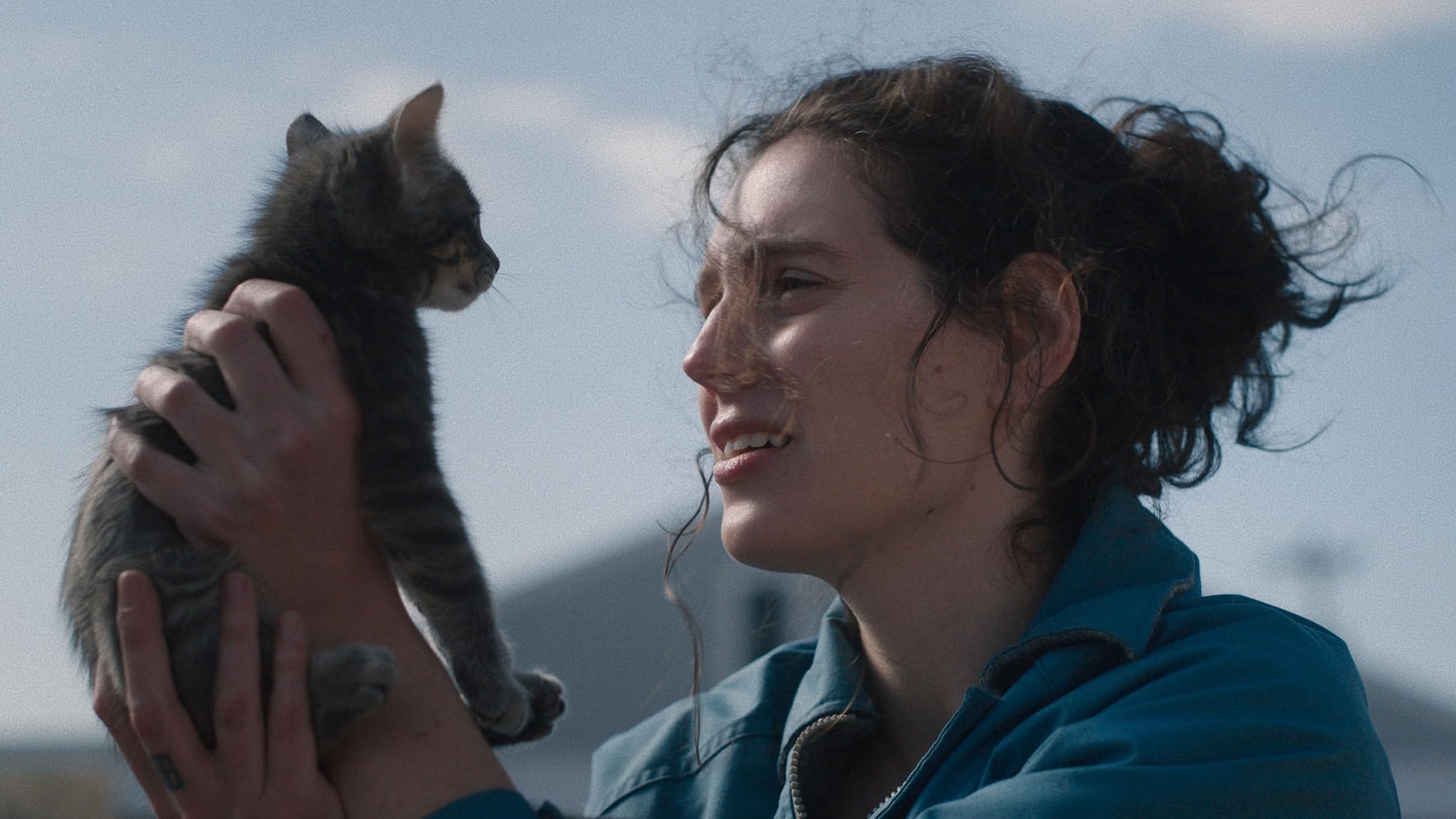
Sorry, Baby is subtle in so many ways.
Good Points
Eva Victor
Dry, observational humor that never begs for laughs
Thoughtful handling of trauma
Structural choices mirror memory instead of explaining it
Bad Points
Little bit of pacing issues
Some scenes go on longer than their emotional payoff
This is a film that lets discomfort set the tempo.
The rhythm feels intentionally off in Sorry, Baby from the very get go, where it’s quiet without being precious, and funny without signaling where the laughs are supposed to land.
Eva Victor, also directing, plays Agnes, who seems to exist in a state of mild disconnection, moving through days that feel emotionally heavy but loosely stitched together, where she stumbles plainly, in an incredibly human manner.
What surprised me most about the movie was how just funny the film is without ever acting like a comedy, and there’s was a steady sense of recognition that made the humor land, featuring interactions most films would smooth over - here, they’re the texture.
Trauma isn’t a mystery to solve
Sorry, Baby introduces Agnes’s trauma early, but it also refuses to package it as a narrative hook, as it simply exists as something unresolved, shaping her reactions without dictating the plot - there’s no checklist of healing, no false sense of progress, and the absence of narrative urgency around her pain feels like one of the film’s most confident choices.
The romantic thread with Gavin that the film instroduces is similarly restrained - Lucas Hedges plays him with a soft awkwardness and unclear intention - he’s well-meaning, often clueless, but occasionally kind, and their interactions are full of half-sentences and emotional near-misses, where the film doesn’t ask you to root for them, only to observe how two people talk around each other.
Discomfort arrives quietly, then refuses to leave.
It’s also a film that trusts you to notice the small shifts - body language, conversational imbalance, Agnes’s posture tightening - and this slow accumulation of unease really helps the film become incredibly effective with what is is trying to do.
I didn’t particulary lke the back-and-forth structure straight away, but it earns its place I think when you think about it, as these moments feel less like exposition and more like intrusion, which mirrors how memory actually works, and over time, the pieces settle into place without ever being spelled out.
Visually, the film stays simple, as the camera doesn’t show off, and scenes are allowed to breathe, where the silence is treated as meaningful rather than empty.
There are some moments where the pacing drags though, but even then, it feels intentional, as I am not sure the film is actually interested in keeping you engaged in a conventional way - it’s just comfortable letting you sit with it, mirroring Agnes’s own state.
The heavy and the trivial share the same space.
What really stayed with me after watching it was just how casually the film treats its themes - trauma, loneliness, adulthood - they all sit alongside bad jokes and mundane routines.
Nothing is framed as important, it just exists, and that feels closer to real life than most films are willing to admit.
Final Verdict
This is a quiet, deeply considered film that trusts its audience to pay attention and sit with its subtle movement.
Agnes remains unfinished, and so does the story.
Restraint wins the day.
More Reviews


